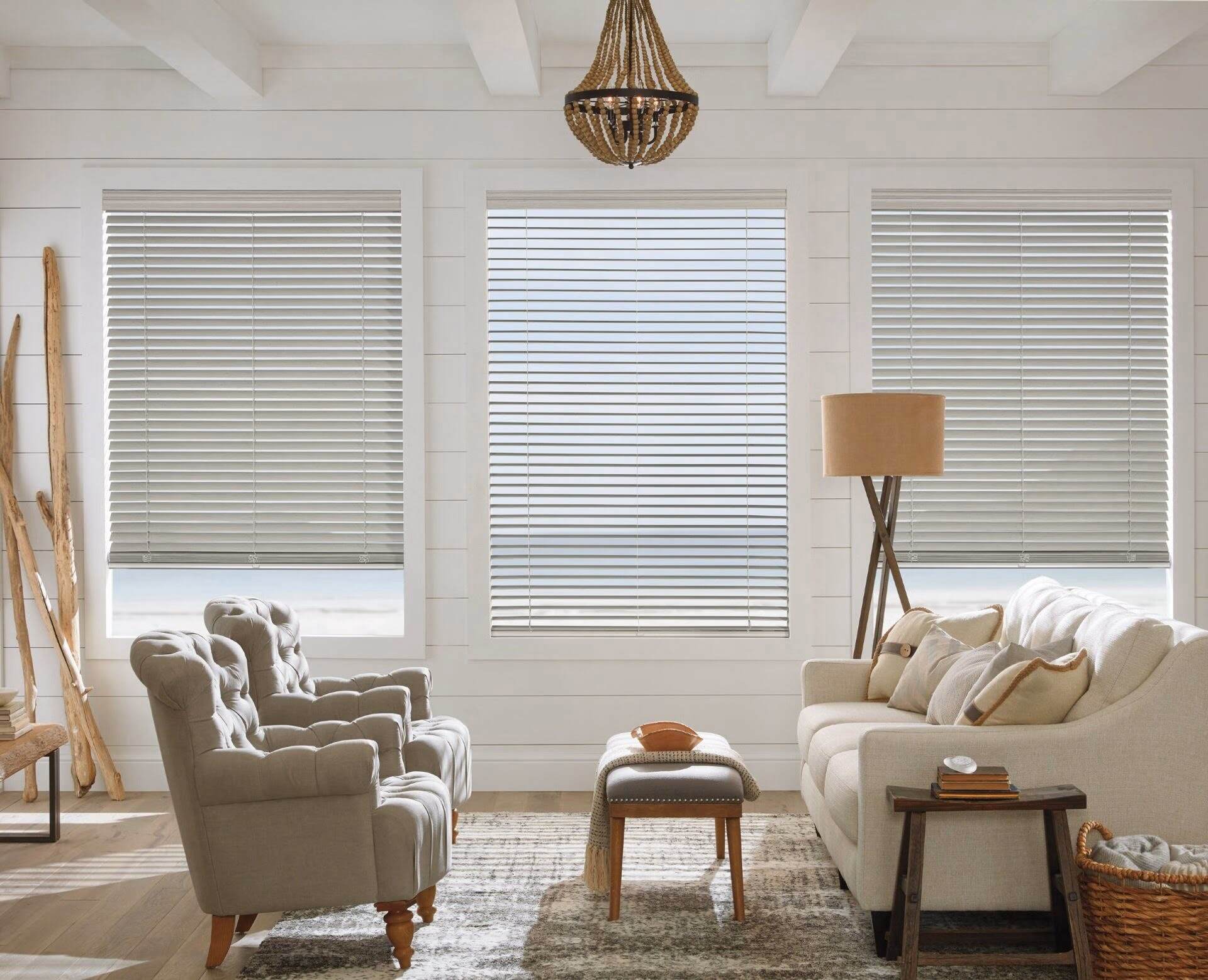
Your Complete Guide to Quality Blinds
Wiki Article
Blinds Can Serve As A Shade To Shield Your Home From.
The sun is the principal currency of Australian homes. We seek its warmth and joy, but must manage the more challenging aspects of it: intense ultraviolet radiations and penetrating temperatures that can reduce a precious rug into a blur and turn a living space into a midday'sauna. Selecting blinds is not only about style and privacy as well as protection from the elements. Your blinds serve as your primary protection from the Australian sun. Understanding how materials control UV and heat can assist in preserving your interior comfort, as well as your cooling budget. It's not about just choosing an exterior covering, but rather a protection.
The assault from our windows has two facets. The first is UV radiation, which is found in Australia is as the strongest on the planet. This invisible energy doesn't just give you a sunburn; it destroys the molecular bonds in fabrics and dyes. It's the quiet power that changes bright crimson cushions to a smudged pink and causes precious artwork or photographs to fade away behind glass. The solar heat gain is a second reason. It's infrared radiation that transforms glass into a radiant heating element. Without proper monitoring it can trigger your air conditioners to run and your energy bills to go up. Blinds that are designed solely to shade only accomplish half the work. They must be designed to manage both thermal and light energy.
Basic light filtering begins the spectrum of protection. Simple non-lined fabrics like Roman or roll up blinds can reduce glare and offer privacy, but they only provide a minimal amount of protection against heat and UV. These blinds are not designed to block sunlight and heat, but instead shield your eyes. You should look for specific weaves or materials if you need complete protection.
The sunscreen, also known as filter weave is the very first winner. It's a high-quality product, often made of synthetic mesh and that is covered with PVC or a different substance. Its uniqueness lies in its specific filtration. It diffuses harsh direct sun into a soft and relaxing light. You can still be able to see outside, but it blocks a large percentage of UV rays, usually 90% to 95%. It is like a pair permanent quality sunglasses. In rooms where you need light but aren't prone to damage, such as living spaces or sunrooms, this is the most sophisticated, modern choice. Its effectiveness can be measured through the Openness Factor that is the percentage of open spaces that are woven into its fabric.
Blockout materials are perfect for scenarios that demand total defense. They are incredibly extremely dense and tightly knit. They're usually coated with a layer of acrylic. They provide near-total (99.5 99.5 %+) blockage of both light and UV rays. When they are fully reduced, they give an effect of darkness, which is ideal for bedrooms and media rooms. The thermal insulation is the main advantage of these shades. The air barrier they build at the windows reduces the transfer of heat dramatically. The summer heat is sucked out, and winter warmth stays inside. The most advanced versions feature reflective, usually metallic backing that absorbs solar radiation off the glass.
Structure plays a key role in the design of blinds, as shown by honeycombs or cellular designs. Their hexagonal foldings are the ultimate engineering feats. The pockets in the verticals trap air, creating an insulation layer that can slow the flow of heat. It's akin to double glazing your blind. The thick fabric walls offer great UV blocking, and offer superior thermal performance all year long making interiors cool during summer and warm in winter. They are often top in terms of energy efficiency.
You should always take a look at the material's structure and its treatment, not only the color on the outside. Ask about the treatment. Solution-dyed fabrics (like acrylics and polyesters) are made with colour embedded in fibres, which is why they are more resistant to fade than fabrics with dye sprayed on the surface. Keep an eye out for UV-inhibitor treatments that were added to fabrics during production. In the case of PVC or vinyl the thickness and the quality of the material will determine how long they last and how durable they are under the constant exposure to sunlight.
Affirmative questions to your supplier can assist you in avoiding an emotional conversations ("I love that color"). Ask the questions that will give you more details: "What percentage of UV protection does this fabric provide?" "Does it contain a reflective or thermal backing?" "What's the typical fade-life of this type of material if it's installed on glass that faces north?" A reputable company will know the answer to this question, and will also inquire about the window, its aspect and what you intend to protect. They will be aware that blinds for rooms with a southern-facing orientation and those for a lounge with an orientation towards the north and both with silk couches, require different suggestions.
Operation and fit is the most important aspect. It's often underestimated. The most advanced material is damaged because of gaps. It is crucial to get a professional installation of the blind in a way that it fits tightly into its recess, and also overlaps the frame. This will eliminate any "light leakage" tiny fragments of sunlight that may cause the blind to fade. Also, how easy it is to use the blind will determine the frequency you deploy it. Blinds that are too heavy to be used will be left in the dark, thereby destroying the purpose. A smooth, motorised, and cordless operation encourages regular use.
It is wise to choose blinds that offer thermal and UV protection. It is an investment in the preservation of your furnishings, flooring, and artworks. The money you invest is in efficiency, reducing the burden on your cooling system as well as your energy bill. And it is an investment in liveability--creating comfortable, glare-free spaces that are a joy to inhabit throughout the day's changing light.
In Australia the sun is always in the sky and is always powerful. Therefore blinds are used for purposes more than just decoration. Blinds are a vital component of your home's temperature control system. Choosing the best material means letting the light into your home on your terms. You will be able to enjoy the view without cost and the colours will be lively. It's fundamentally the intelligent use of shade as a means to ensure a comfortable and sustainable lifestyle. Take a look at the best blinds for site examples including order custom shutters, perfect fit blinds direct, factory direct blinds near me, window treatments for, factory direct blinds near me, factory direct plantation shutters, factory direct plantation shutters, direct to you blinds, made to order blinds, blinds dir3ct and more.

The Fine Print Promise: Understanding Blind Warranties Before You Buy
A warranty is typically lost in the end, when choosing blinds for your home. Samples of fabric are evaluated and quotes compared. It's typically presented as a final reassurance, a badge of quality. In reality, a warranty contract is much more than an ordinary assurance. It's a legally enforceable contract that clearly defines the obligations of the seller. Blinds are a combination of electronic, mechanical and textiles which are constantly exposed to the harsh Australian sun salt, as well as usage. Being aware of the fine print can make the difference between an investment protected and a costly mistake. The worth of a guarantee is not only in the length but also in the clear, precise coverage.
In the beginning, and perhaps more commonly, people focus on the warranty's duration. "A 5-year warranty" might sound appealing, but it's not clear what exactly is covered. A robust warranty will separate the coverage into distinct categories because every component is susceptible to failure in a variety of ways. Material warranties, or fabric warranties, are required to cover manufacturing defects like weaving defects or delaminations. However, they should also cover the most important thing is premature fade. This is crucial for Australia. Beware of vague warranties. This warranty will be invalid if the fabric is used for outdoor use or in consistently damp, unventilated areas, highlighting the connection between your climate choice and the coverage you get.
Additionally, the mechanical component warranties cover the elements that are working, for example the roller mechanism in blinds, the lifting and tilting mechanisms on Venetians or cords and ladders. It should cover any breakage caused by fatigue of the material or manufacturing defect in normal use. Importantly, if the cleaning or maintenance guidelines are followed, the warranty will be valid. Then there's the motor and electronic warranty that is available for systems that are automated. It's usually the shortest of the three (commonly two to three years, even when the fabric is five years old), reflecting the more sophisticated technology. This will include motors, receivers and wiring.
The list of exclusions or conditions is the most significant and often overlooked part of your warranty contract. These are the obligations you must meet. A few common limitations on a warranty that can be immediately nullified include:
Installation by anyone else that is not the authorized installer. This is a serious issue. A DIY installation even if flawless, usually invalidates the entire warranty, as the manufacturer cannot ensure the working environment or stress on components.
Unsafe use of maintenance or. Misuse is defined as using harsh products for cleaning, removing a blocked roller blind or failing to notice a small knot on the cords.
The phrase "fair wear and tear" or "gradual reduction in performance" is a subjective phrase that is used by manufacturers to reject claims that mechanisms are wearing out because of regular use.
The fading or damage can be caused by extreme weather conditions. If you install a blind that is not rated with direct exposure to the ocean it is highly unlikely that its corrosion rate would be protected.
It is important to note that the warranty does not exist on its own. It is a part of the service and quality of the installation. A warranty offered by a long-established, reputable local shop is much more valuable than a similar-looking warranty offered by a transient, online retailer. The local retailer owns its own location and has installers, who's work is covered. They also have a connection with the manufacture to expedite claim processing. To safeguard their reputations and to protect their customers, they are required to honor the warranty. It isn't easy to claim a claim against an organization that is located far away. There are contact centres and uploading images. The tech may not show up.
In contacting suppliers, you should go past "Do you have a warranty?" to a precise interrogation. Ask: "Can you provide the warranty document for my specific chosen product before I sign the agreement?" "Does the fade warranty cover the specific colour I've picked and what's the minimum threshold to be an acceptable claim?" "If a motor fails in year two What is the procedure? What happens if the engine fails in year two? Do you repair it at the site or must I ship it out to an interstate center for repair?
The presence of an Australian Consumer Law (ACL) warranty also supports the purchase of your product, regardless of manufacturer's warranty. ACL requires that the product has to meet specific requirements, be fit to its intended use and conform to its description. It may provide protection after a warranty expires, if the product exhibits a significant malfunction that was not expected given the price. However, invoking the ACL may require more effort than a straightforward warranty claim handled by a cooperative supplier.
A strong warranty is ultimately a reflection of the confidence a manufacturer has in its own product. It has been tested to Australian conditions. It's a formal protection against flaws that are inherent to the product. This isn't an insurance against all possible issues. When paired with a supplier you can unleash its full potential. They will ensure correct installation, and act as your advocate. It's not enough to simply have a document of warranty. You need a realistic, clear path to resolution in the event of something unforeseeable happens. In the Australian market, where products are tested under some of the harshest sunspots on the planet This clarity isn't an option but a crucial aspect of purchasing. It transforms a basic marketing promise into a tangible and tangible guarantee of peace and security, and ensures that your favorite view will be framed by a sturdy product.